The wrack line is not empty space
Washed-up natural material can be part of a shore's habitat and food relationships, rather than an untidy gap between sea and dunes.
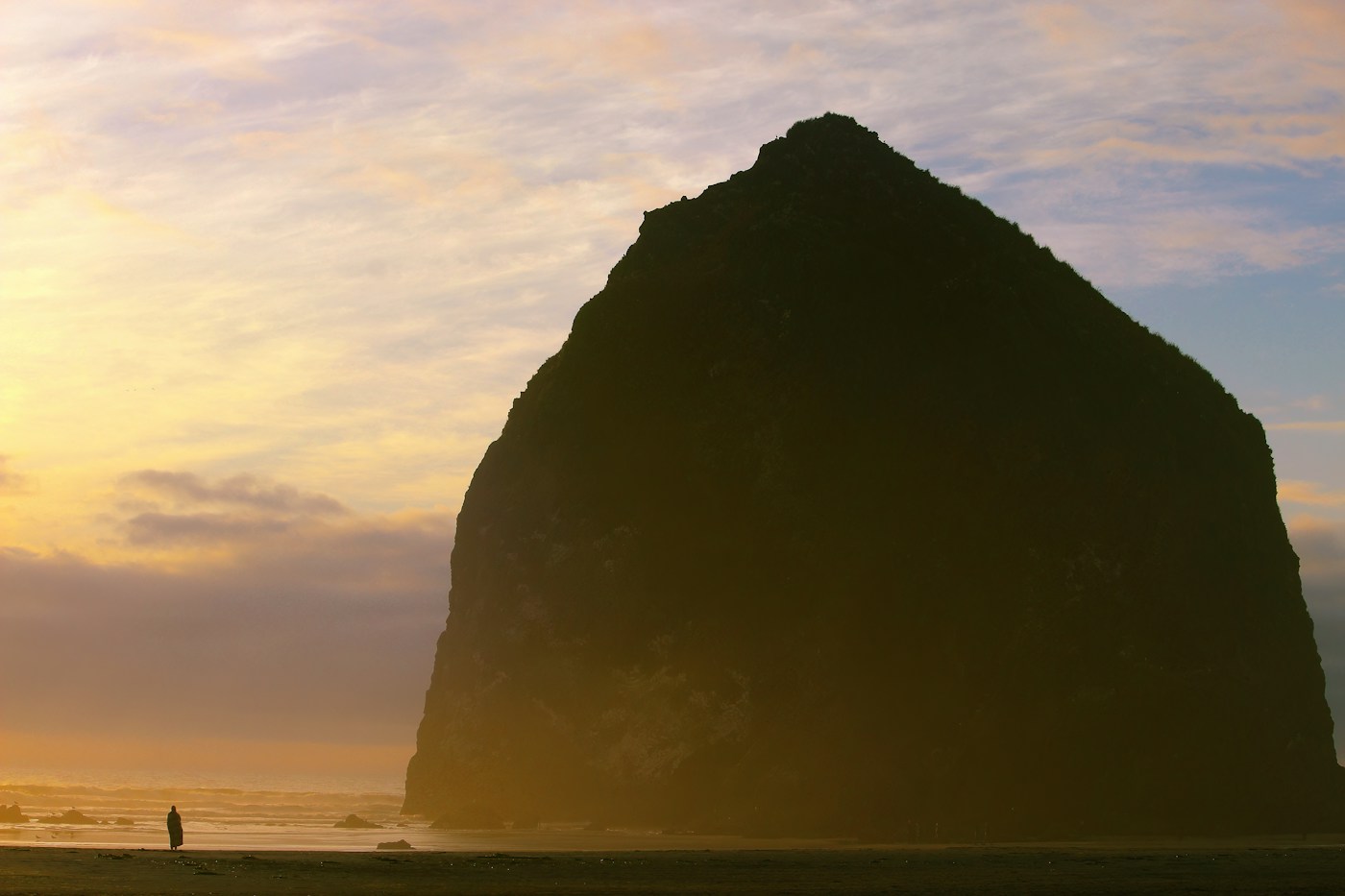
A line of stranded natural material may look like something that interrupts a clean beach. Look more carefully and it becomes a place where land and sea meet in another form. The aim of an observation is to understand that relationship without turning over the material or treating it as a collection to take home.
Recognise the broad feature
Florida State Parks describes the wrack line as an area where organic material and other debris are deposited by high water. Its account includes sea grasses, algae and other natural material. The exact mixture and timing vary by coast, so use a local source before assigning specific ingredients or a tidal pattern to your observation.
From a permitted position, note the line's broad shape and relationship to the water, beach and vegetation. Do not enter fenced nesting areas or cross protected vegetation for a closer view. A distant description can still record a continuous band, scattered patches or several visible lines.
Observe relationships, not just objects
Watch for activity without approaching or disturbing animals. Record where movement occurs and how it relates to the material. A bird nearby does not prove that you have identified what it is eating, and a small moving organism does not need a species name before its presence can be noted.
The Florida State Parks account explains that wrack can shelter small animals and support feeding relationships involving shorebirds. Use that as ecological context while keeping the observed behaviour distinct from the general explanation.
Keep natural material and litter separate
Do not assume everything washed ashore has the same role or should be handled in the same way. Human-generated litter and natural wrack are different categories. Follow current local guidance for any organised cleanup, and do not handle sharp, unknown or potentially hazardous material as part of a casual observation.
Leaving natural material in place avoids turning an observational exercise into a habitat alteration. If a site has specific management instructions, follow them rather than applying a general beach-cleaning idea from a different region.
Write a small habitat description
Describe the scene in a few connected sentences: the position of the material, its visible mixture, the nearby vegetation and any observed activity. Add uncertain identifications as questions. A sketch or photograph taken from the same suitable position can help connect those details.
Finish by asking what you would need to learn next, such as the identity of a dominant washed-up plant or the local guidance for nesting wildlife. The wrack line becomes more interesting when it is understood as part of a living shore, not judged solely by how tidy it appears in a photograph.
Ecology background: Florida State Parks: wonders of the wrack line.