Watch a tide pool without rearranging it
A patient view from the edge can reveal movement and habitat relationships without lifting rocks or handling animals.
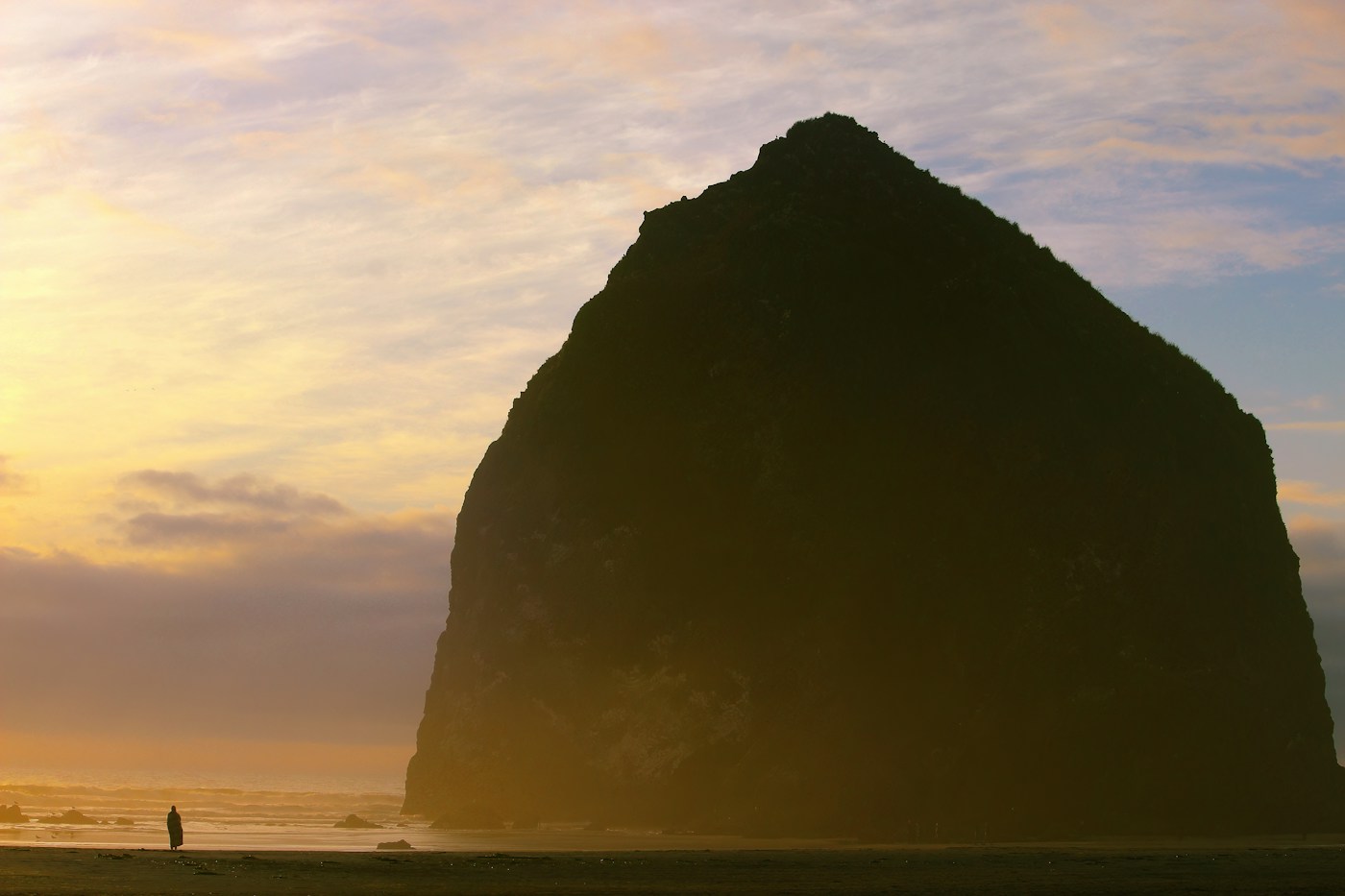
A tide pool can look like a small display case, but it is part of a changing shore rather than a collection arranged for visitors. An observation becomes more interesting when you leave the contents where they are and watch how the scene works. The first task is choosing a permitted, accessible view that does not require entering the pool.
Understand the setting
NOAA describes a tide pool as a pocket of seawater in the intertidal zone. This is the meeting area between land and sea, not a permanently isolated aquarium. The wider tide and weather conditions matter to the place you are observing, even when a particular pool appears still.
Check current local access information, tide information and coastal warnings before considering a shore visit. Use established access and follow the site's instructions. A predicted low tide is not a guarantee of safe access, and an interesting pool is not a reason to cross a closed area or a route that may be cut off.
Choose one question
From a suitable viewing position, ask a small question: where is movement visible, which surfaces are covered and which remain exposed, or how does the edge differ from the deeper-looking centre? Let the question fit what can be observed without touching, feeding or collecting anything.
Pause before naming organisms. Record colour, shape, position and movement in ordinary language. An uncertain dark patch can remain an uncertain dark patch until a reliable local identification reference helps. A confident but incorrect name can obscure the relationship you actually noticed.
Leave the scene intact
Do not lift rocks or move organisms to improve the view or photograph. A simple sketch can represent the areas you cannot see, using a label such as hidden rather than filling them with imagined detail. Keep feet and equipment out of the pool and respect any greater distance required by local guidance.
Try a second observation after a short, sensible interval from the same position. Note what moved and what did not. A visible change may be more informative than a close-up portrait, particularly when you can place it within the surrounding habitat.
Keep observation separate from explanation
Write a short description before consulting a guide. Then add identifications or ecological explanations on a separate line with their source. The page should make clear which details you saw and which you learned later.
Finish when conditions or access require it, even if the question remains open. The useful result is a modest account of a living place encountered without disturbance. A pool you leave unchanged remains available to the organisms that depend on it, while your observation can still become more informed over time.
Habitat reference: NOAA: what is a tide pool?. Follow current local access and wildlife guidance.